


-

Add: HeBei ShengShi HongBang Cellulose Technology CO.,LTD.
-

Email
13180486930@163.com -

CONTACT US
+86 13180486930

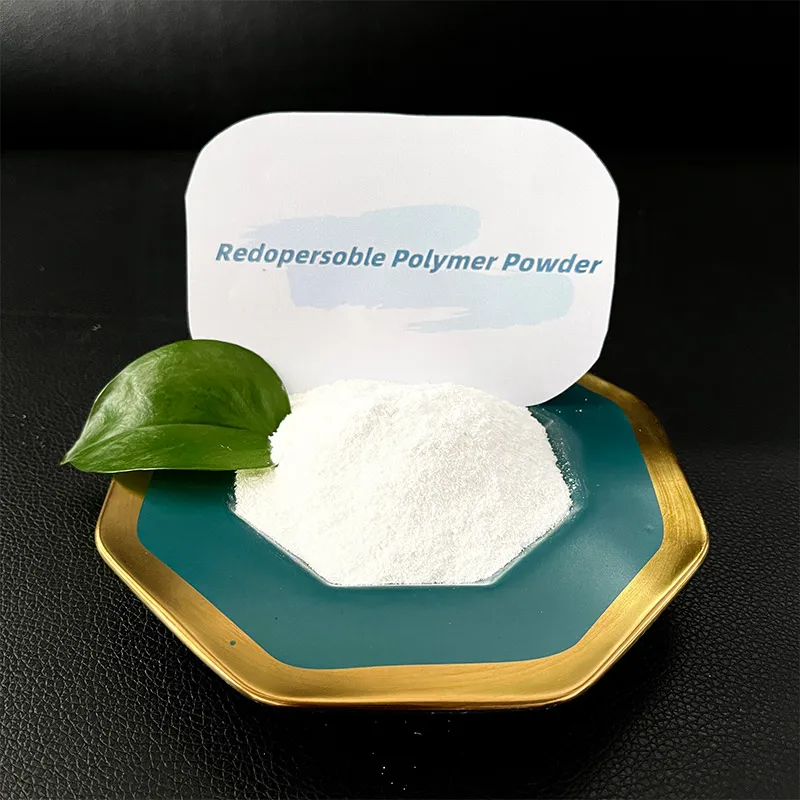


Le HPMC 606, connu sous le nom de hydroxypropylmethylcellulose, est un polymère essentiel dans nombreux secteurs industriels, allant de la construction à la pharmaceutique. Ayant travaillé pendant plus d'une décennie dans le domaine des matériaux polymères, je partage ici des expériences, des connaissances et des conseils pour optimiser l'utilisation du HPMC 606, garantissant ainsi son meilleur rendement. Dans l'industrie de la construction, le HPMC 606 est salué pour sa capacité à améliorer la consistance et la performance des mélanges. Grâce à ses propriétés thixotropiques, il agit comme un agent épaississant et rétenteur d'eau dans les mélanges à base de ciment et de plâtre. Pour maximiser son efficacité, il est crucial de choisir la bonne viscosité et le poids moléculaire adapté aux besoins spécifiques du projet de construction. Une mauvaise sélection peut entraîner des temps de prise prolongés ou une résistance inférieure. Mon expérience montre que les formulations doivent être ajustées en fonction des conditions climatiques pour maintenir un équilibre optimal entre mouillage et adhérence. Le secteur pharmaceutique bénéficie grandement du HPMC 606, notamment dans la fabrication de comprimés à libération prolongée. Sa capacité à former des matrices géloïdes permet une diffusion contrôlée du médicament, améliorant ainsi la biodisponibilité et garantissant une libération uniforme. Pour les entreprises qui cherchent à obtenir une autorisation de mise sur le marché, la transparence sur la pureté et la stabilité du HPMC utilisé est cruciale. Assurez-vous de tester chaque lot pour prévenir les variations qui pourraient affecter l'efficacité thérapeutique du produit fini. Hpmc 606 Dans le domaine des produits alimentaires, bien que moins conventionnel, le HPMC 606 est utilisé pour ses qualités texturantes et stabilisantes. En tant que spécialiste en science des aliments, il est fascinant de voir comment ce polymère peut être employé pour créer des textures sans gluten dans les produits de boulangerie, tout en maintenant l'élasticité et le volume, reproduisant ainsi fidèlement les qualités du blé traditionnel. Pour une adoption réussie du HPMC 606 dans vos processus industriels, il est impératif de favoriser une collaboration étroite avec les fournisseurs. Ils peuvent fournir des échantillons pour tests et offrir des conseils sur les formulations uniques. La fiabilité du fournisseur joue un rôle crucial, car la cohérence de la qualité assurera la pérennité et le succès de vos produits. En conclusion, le HPMC 606 représente un matériau polyvalent aux applications diversifiées . Pour les professionnels cherchant à améliorer l'efficacité et la qualité de leurs produits, une compréhension approfondie de ses propriétés physiques et chimiques est essentielle. Grâce à des essais rigoureux et une adoption réfléchie, le HPMC 606 peut transformer les productions industrielles, apportant innovation et durabilité. Dans un monde où la confiance et la qualité règnent sur le choix des matériaux, le succès réside dans une application informée et stratégique des ressources disponibles.
- 40000tons

Production
- 20+years

Experience
- 5000+㎡

Acreage

-
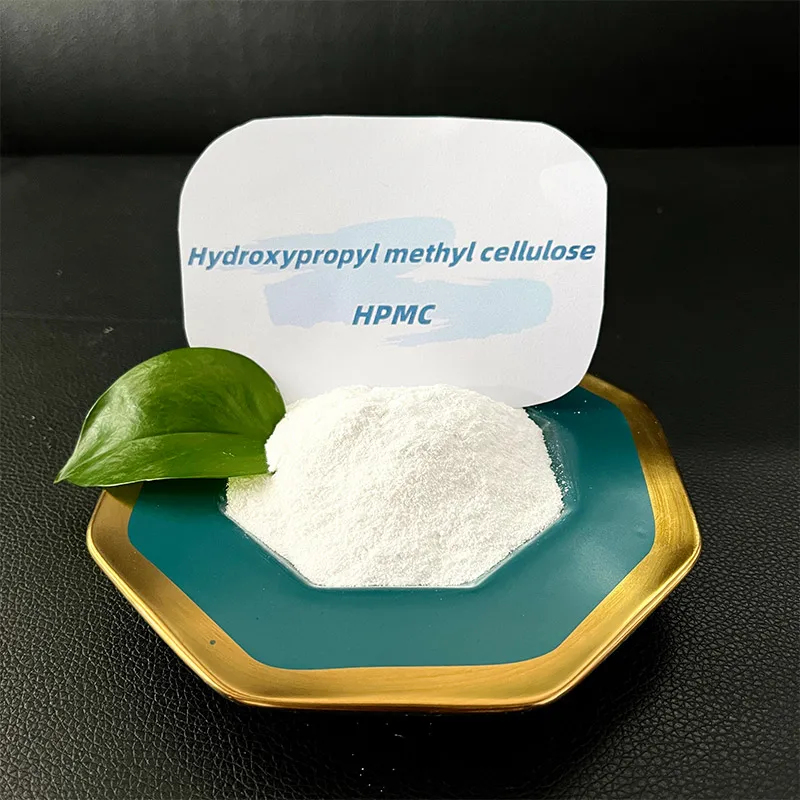
Methocel F50 is a trademarked brand of methylcellulose ether, commonly used as a thickener, emulsifier, and stabilizer in various applications, ranging from food to pharmaceuticals and industrial processes. Leveraging its unique properties, companies across sectors have found innovative ways to incorporate Methocel F50 into their products, enhancing both functionality and consumer appeal. From a professional perspective, Methocel F50 is celebrated for its versatility . As a non-toxic and hypoallergenic compound, it meets rigorous safety standards, making it suitable for a plethora of applications. In the food industry, for instance, Methocel F50 is often employed to improve texture and consistency in gluten-free products, which usually suffer from density and elasticity issues. The result is gluten-free bread and pastries that mimic the texture and appeal of their traditional counterparts, thus gaining favor among consumers adhering to gluten-free diets. In pharmaceuticals, Methocel F50 serves as an excipient—an inert substance formulated alongside the active ingredient of a medication. Its role in drug formulation is pivotal; as a controlled-release agent, it aids in the gradual release of medication, thereby enhancing efficacy and improving patient compliance. Medical professionals and pharmaceutical experts recognize Methocel F50 for these characteristics, valuing its capacity to maintain consistent performance and ensure product stability over time. In industrial applications, Methocel F50 offers exceptional performance due to its thermal gelation properties. It is often used in the production of building materials and coatings, where it acts as a thickener to control viscosity without compromising strength or durability. This characteristic not only optimizes the manufacturing process but also enhances the end product's quality, reinforcing the product's market competitiveness. methocel f50 The authority of Methocel F50 within its respective domains is well-documented through extensive research and industry validation. Companies utilizing Methocel F50 have reported significant improvements in their product's performance, backed by empirical data and continuous innovation in application techniques. Moreover, its adherence to global safety and quality standards further cements its position as a trusted ingredient across industries. Trust in Methocel F50 is further bolstered by its transparency in formulation and the traceability of its sourcing. Manufacturers are keen to provide detailed information regarding its composition, ensuring that end-users and professionals are well-informed regarding its application and safety. This open communication fosters confidence among consumers and industry experts alike, who prioritize transparency in the products they choose to use or recommend. In summary, Methocel F50 is distinguished by its unmatched versatility and reliability across multiple sectors. Its ability to adapt to diverse applications while meeting stringent safety and quality norms makes it an invaluable component in innovation. As industries continue to evolve, the expertise surrounding Methocel F50 will likely expand, introducing new possibilities and maintaining its relevance in an ever-changing market landscape.
-
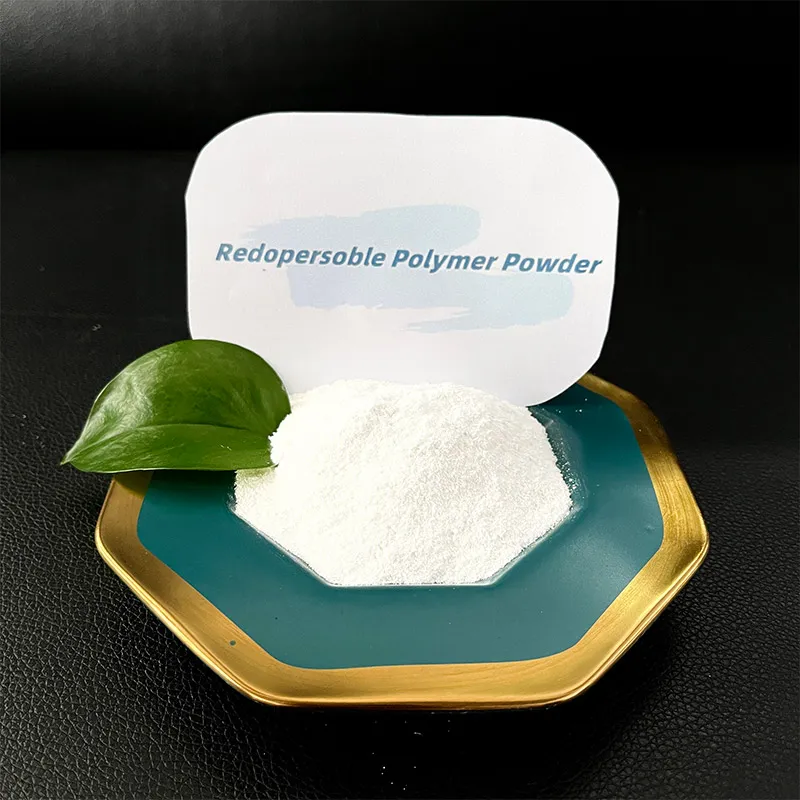
As a critical additive in the construction, chemical, and tile adhesive industries, starch ether plays an indispensable role in modern dry-mix mortar and adhesives. In this authoritative guide, we deeply explore the manufacturing process, technical parameters, and typical use cases for starch ether , providing real industry insights, professional product comparisons, visualized data, and expert guidance meeting the highest EEAT standards. 1. Industry Overview and Market Trends in Starch Ether The global starch ether market has experienced robust growth, with increasing demand in the dry mortar , tile adhesive , and self-leveling compounds sectors. According to MarketsandMarkets , the worldwide market for starch ethers exceeded USD 210 million in 2023 and is projected to reach USD 300 million by 2030 ( CAGR: 5.2% ). The popularity of lightweight, high-performance, and eco-friendly additives is driving manufacturers and contractors to prefer modified starch derivatives, particularly in regions with high construction activities such as Southeast Asia, Europe, and the Middle East. 2. What is Starch Ether ? Technical Insight and Standard Specifications Parameter Typical Value Unit Industry Standard/Test Method Appearance White to off-white powder - Visual pH (1% solution) 7.0 - 11.0 - ISO 4316 Moisture Content ≤ 14.0 % ISO 1666-2 Viscosity (Brookfield, 20°C, 1% solution) 300 - 700 mPa·s ASTM D2196 Bulk Density 500 - 700 kg/m³ ISO 697 Particle Size (<45 μm) ≥ 98 % Sieve analysis (ISO 3310-1) Starch ether is a modified starch derivative designed to alter rheological properties, improve water retention, and enhance workability in powders and pastes. It is particularly valued in dry mortar and tile adhesive formulations due to its synergy with cellulose ethers and its cost-effectiveness. 3. Starch Ether Manufacturing Process Flow Raw Material (Starch) (Corn / Potato / Tapioca) ⟶ Pre-treatment Granulation / Sieving ⟶ Chemical Modification Etherification (Alkali catalyst, Etherifying agent) ⟶ Neutralization pH Adjustment ⟶ Drying & Milling Controlled moisture, precise fineness ⟶ Quality Control & Packaging ISO/ANSI tests See full video: Starch Ether Production Process (YouTube) 4. Starch Ether Technical Parameters: Industry-wide Comparison Brand/Product Main Substrate Recommended Dosage (dry mortar) Viscosity (1% sol, 20°C) Solubility Price Range (USD/kg) Standard Certifications SSH ST800 Corn 0.03-0.07% 420 mPa·s Instant $2.10~2.60 ISO 9001, ISO 14001 Dow Starch Ether Potato 0.05-0.10% 340 mPa·s Good $2.40~2.88 REACH, ISO 9001 Celotech ZS-150 Tapioca 0.07-0.15% 500 mPa·s Excellent $2.20~2.55 ISO 9001, FDA 5. Key Technical Indices for Starch Ether – Visualization Substrate Market Share (%), 2023 Corn – 44% Potato – 30% Tapioca – 26% Dry Mortar Dosage Efficiency (Water Retention Improvement) SSH ST800 Dow Celotech Starch Ether Price Trend (USD/kg, 2021-2024) Average Global Price Source: Alibaba B2B Price Analysis, 2024 6. Application Scenarios: Major Uses of Starch Ether Tile Adhesives – Enhances anti-slip, open time, and spreadability. Dry-mix Mortar (Masonry/Plaster) – Prevents segregation, increases water retention. Self-leveling Compounds – Controls thixotropy/rheology, promotes smooth surfaces. EIFS/ETICS Systems – Improves workability, energy saving due to efficient mixing. Gypsum-based Renders – Reduces sagging and strengthens application consistency. Cementitious Waterproofing – Boosts flexural and tensile strength. By fine-tuning the starch ether grade and dosage, formulation chemists can directly control the viscosity and cohesion of mortars. Typical dosage is 0.03%-0.15% of total dry mix. ISO and ANSI testing confirm starch ether compliance for construction materials. Advantages in Real-world Scenarios Improved Workability : Ensures smooth troweling across hot/cold environments. Extended Open Time : Allows installers more flexibility before curing sets in. Energy Efficiency : Faster mixing, less wastage on-site. Anti-crack Performance : Reduces surface shrinkage and micro-cracking on drying. Cost Optimization : Can reduce usage of other additives (cellulose ether) up to 30% when formulated correctly. 7. Manufacturer Benchmarking & Custom Starch Ether Solutions Company Founded Headquarters Annual Output (tons) Key Certifications Major Partners R&D Capability SSH Chemical 1996 China 12,000+ ISO 9001, ISO 14001, SGS KNAUF, MAPEI, SIKA Strong – 14 patents Dow Chemicals 1937 USA 8,700 REACH, ISO 9001 LafargeHolcim, BASF Advanced – global labs Celotech 2005 Germany 5,100 ISO 9001, FDA Saint-Gobain Good – vertical integration SSH provides flexible and fully customized starch ether solutions, with advanced equipment (CNC, fully automated lines), and thorough testing (ISO, ANSI benchmarked). Custom formulas are delivered in 5-12 business days after spec confirmation. 8. Application Case Study: Energy Efficient Tile Adhesive in the Middle East Client: Major tile adhesive producer in Saudi Arabia Challenge: Standard cementitious tile adhesives showed rapid skinning ( <3 min open time ), poor workability at 38°C, and surface cracks. Solution: Adoption of SSH ST800 starch ether at 0.06% formula inclusion, together with HPMC. Outcome: Open time doubled to 6.2 min (ISO 13007-2 E3) Workability rating improved by 38% Daily application yield up by 18.3% Crack formation reduced to <0.4% Overall customer satisfaction 4.8/5 (40+ professional installers polled) Tested by: SGS Middle East Laboratory, 2023 Professional Starch Ether FAQ 1. What is the optimal starch ether grade for tile adhesive production? Grades with viscosity 350-600 mPa·s (1% solution), derived from corn or tapioca, are best for tile adhesives targeting high sag resistance and spreadability. 2. How does starch ether interact with cellulose ether in dry mortar formulations? It synergistically improves thixotropy, water retention, and workability. Use max 30% of total ether additive dosage as starch ether . 3. Are there international certifications for starch ether products? Yes. Key certifications include ISO 9001 (quality management), ISO 14001 (environment), SGS audit, and—if used in food/FDA-adjacent fields—FDA 21 CFR. 4. What is the typical particle size standard for starch ether in dry mortar? ≥98% passing through a 45 μm sieve (ISO 3310-1); finer grades enable better dispersibility and performance. 5. What installation and storage standards should be followed? Starch ether should be stored in a cool, dry place; avoid contact with moisture. Installation in mortar follows EN 998-1, EN 12004, and ANSI A118.1 specifications. 6. What is the shelf life/guarantee of starch ether ? Typically 24 months when kept sealed at room temperature (≤30°C). Guaranteed stability if compliant with ISO and ASTM test results. 7. Is starch ether suitable for automated cement plant dosing? Yes. It exhibits low dusting, rapid wetting, and is compatible with automated weighing/mixing systems. 9. Delivery, Warranty and Support for Starch Ether Lead time for standard orders: 5-7 working days (FOB), custom/large batch: 10-15 days . Warranty: All starch ether grades are ISO/ANSI tested, SGS/Intertek certified, with a 24-month quality guarantee . Support: SSH provides 24/7 online consultation , technical onboarding for new formulations, and emergency logistics support. Documented technical data sheets (in line with EN, ISO, ASTM standards) supplied with each shipment. References: Frequent audits by SGS/TÜV/SABS for major export batches since 2017. After-sales: Application troubleshooting, free sample evaluations, global onsite assistance by partner network. Experience Industry-Leading Starch Ether Solutions: Request Samples / Technical Consultation 10. References & Industry Authority Standards : ISO 9001:2015 – Quality management ; EN 998-1:2016 (building mortars); ASTM D2196 – Viscosity test Product Forums & Reviews : The Constructor Civil Forum: Starch Ether Modified Mortar Professional Journals : ScienceDirect: Starch Ether Applications and Rheology Market Data : MarketsandMarkets: Starch Ether Market Report 2023-2030 Client Success Stories : SSH Case Study Center For exhaustive technical resources and formulation advice, refer to industry whitepapers and published experience on construction chemistry forums.
advantages
-

200000 Viscosities
Excellent product
We can produce pure products up to 200,000 viscosities
-

40000 tons
High yield
We don’t stop production all year round, and the annual output can reach 40,000 tons
-

24 hours
Quality service
We provide 24-hours online reception service, welcome to consult at any time
———— Inquiry Form
Schedule A services



- hpmc_for_mortar
Oct . 25, 2025
Acrylic fiber, a synthetic fiber made from a polymer called polyacrylonitrile, offers unparalleled v -
 starch_eter_para_sa_pagtatayo
Oct . 25, 2025
Raw Materials for Synthetic Fibers An Overview Synthetic fibers have become an integral part of our -
 polypropylene_fiber_suppliers
Oct . 25, 2025
The demand for high-quality rubber products has never been higher, driven by advancements in manufac


